Last Updated: January 5, 2026
Yard operations sit at the center of the supply chain. When the yard lacks visibility and coordination, delays increase, assets sit idle, and costs rise.
YardView’s Yard Management Software gives teams real-time control over what happens at the gate, in the yard, and at the dock.
Built for logistics and transportation operations, YardView replaces manual yard processes with automation, visibility, and accurate data. The result is faster turns, better communication, and fewer costly surprises.
Book a demo to see how YardView strengthens yard operations.
What Is a Yard Management System (YMS)?
A Yard Management System, or YMS, is software designed to manage trailers, containers, trucks, and equipment within a facility’s yard. It connects people, assets, and data to keep freight moving smoothly.
Many yards still rely on spreadsheets, phone calls, or paper logs. These tools make it hard to track assets, manage appointments, and respond to changes. A YMS replaces these manual steps with real-time visibility and automation so teams can make faster, better decisions.
The ROI of Yard Optimization: Why Yard Management Matters
Moving from manual logs to a digital system isn't just about "seeing" trailers — it’s about reclaiming lost margin. Without the right tools, yard operations become a financial blind spot where unmanaged driver dwell time and detention fees quietly erode profitability.
A purpose-built YMS transforms the yard from a cost center into an engine for throughput by:
- Eliminating Hidden Fees: Reducing the "trailer aging" that leads to avoidable D&D penalties.
- Optimizing Labor: Ending the "time wasted hunting for assets" so yard drivers and warehouse staff stay productive.
- Increasing Capacity: Improving truck turn times so you can handle more volume without expanding your physical footprint.
Teams often ask how much they truly need to invest in yard management software to achieve meaningful results — and whether a high-cost enterprise system is always the best fit.
How a YMS System Works
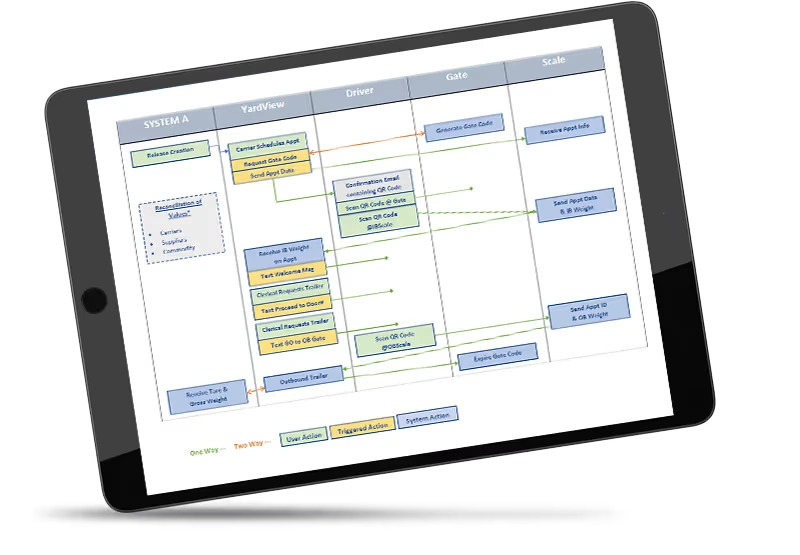
A YMS connects all yard activity into one system and supports operations from arrival to departure.
- At the gate, drivers check in and out digitally to reduce wait times and manual data entry
- In the yard, teams track assets, assign moves, and monitor activity in real time
- At the dock, appointments and dock assignments are managed to keep freight flowing
By sharing accurate data across these areas, the yard becomes more predictable and easier to manage.
Core Yard Management Software Features
YardView's six core features form the foundation for reliable, efficient yard management. Together they provide visibility, control, and productivity across the entire yard. Understanding these capabilities is the first step. Knowing what to expect during a yard management system implementation helps teams plan for success.
1. Dock Management and Appointment Scheduling
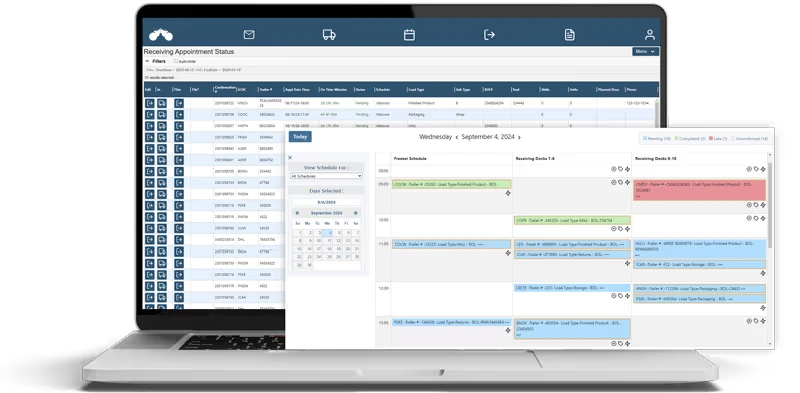
Dock management and appointment scheduling help teams plan inbound and outbound activity with greater accuracy. This feature supports carrier self-scheduling, dock capacity planning, and dwell time tracking.
By controlling dock activity, it functions as an organized hub for efficiency. Effective scheduling protects margins by aligning warehouse labor with carrier arrivals. This ensures teams aren't left idle and drivers aren't waiting, which reclaims lost time and maximizes the value of every labor hour.
Learn more about dock management and scheduling >>2. Real-Time Yard Visibility
Real-time yard visibility provides a live view of all trailers, containers, dock doors, and yard locations. Digital yard maps and dashboards make it easy to see what is on site, where assets are located, and what needs attention.
With clear visibility, teams respond faster to changes, reduce manual yard checks, and improve asset utilization.
Explore real-time yard visibility >>3. Gate and Access Control
Gate and access control improve security and flow at yard entry and exit points. Digital check-ins help track arrivals and departures while reducing paperwork and errors.
The system supports manned and unmanned gate operations and integrates with tools such as kiosks, QR codes, and AI-enabled cameras to increase accuracy and throughput.
Discover realiableg gate and access control >>4. Yard Driver Communication and Tasking
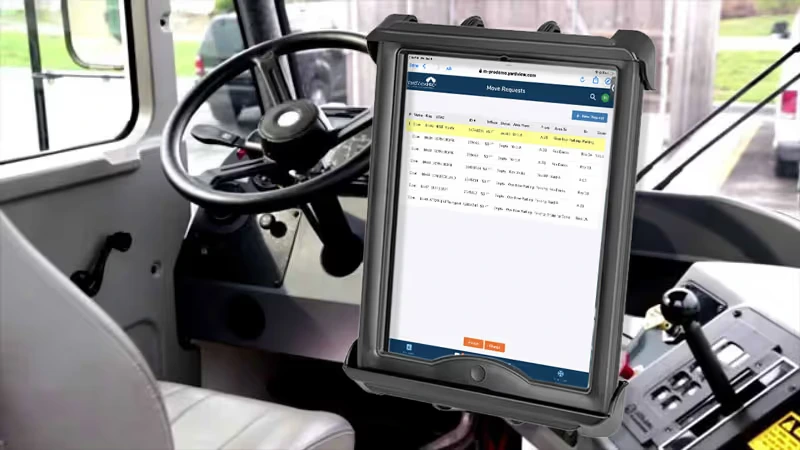
Yard driver communication and tasking tools help prioritize trailer moves and reduce idle time. Tasks are sent directly to drivers, eliminating radio calls and confusion.
Real-time alerts and prioritized move lists improve labor efficiency and support safer, more organized yard operations.
Explore yard driver communication and task manangement >>5. Reporting and Analytics
Reporting and analytics provide insight into yard performance through clear dashboards and detailed reports. Teams can track key metrics such as dwell time, dock utilization, and trailer movement.
Accurate data helps identify bottlenecks, improve planning, and support smarter decision making across the yard.
Discover reports and analytics >>6. YMS System Integration, Automation, and Data Sharing
YardView leverages automated task dispatching and real-time data sharing to eliminate manual entry, creating a fully connected operation.
By replacing human error with automation, you improve data accuracy across platforms and gain a reliable, 360-degree view of yard activity and total supply chain performance.
Explore automation and integration >>How does YMS fit with WMS and TMS?
Yard management software plays a unique role in the logistics technology stack. While warehouse and transportation systems are essential, they are not designed to manage the day-to-day movement of trailers, containers, and equipment outside the four walls.
- Warehouse management software (WMS) focuses on inventory, picking, and storage inside the warehouse.
- Transportation management software (TMS) plans and executes shipments to and from the facility.
- Yard management software (YMS) coordinates all activities between the gate and dock.
A YMS fills the operational gap that exists between warehouse and transportation systems. It tracks assets in real time, manages yard activity, and keeps gate, yard, and dock teams aligned.
Some organizations attempt to manage yard operations using WMS or TMS extensions. While these tools may offer basic yard functionality, they often lack real-time visibility, task automation, and the flexibility required for complex yard environments. A purpose-built yard management system is designed specifically to handle these challenges and support faster, safer yard operations.
In other cases, organizations rely on a “free” yard tool bundled with their WMS. These solutions can appear cost-effective at first but may lead to longer dwell times, manual workarounds, and higher detention costs over time.
When integrated properly, YMS, WMS, and TMS work together to provide a complete and accurate view of yard and supply chain operations. This connected approach improves planning, execution, and overall performance.
>> Deeper Dive: To learn more about how a YMS bridges the gap between transportation and warehousing, explore our post on yard management in the supply chain.
Who Can Benefit from a YMS?
Any organization managing trailers, containers, and yard equipment can see immediate gains.
A few examples include:
- Logistics Directors seeking a consultative partner with 28 years of expertise
- Operations Leaders needing tailored yard management services to solve bottlenecks
- Warehouse Managers seeking better dock utilization
- Transportation Teams aiming to reduce driver wait times
- Supply Chain Executives looking for real-time YMS system reporting
- 3PL Providers managing complex multi-client operations
These teams all need one thing: a system that actually delivers results. This is where YardView’s experience makes the difference.
For organizations already using a YMS, recognizing the signs it might be time to upgrade your yard management software helps determine whether current tools still support daily operations.
Why YardView: The Yard Management System Backed by 28 Years of Expertise
Since 1998, YardView has focused on one thing — making yard operations easier to manage. Our purpose-built YMS yard management system is designed for real-world logistics challenges and continues to evolve as operations grow. Beyond our industry-leading technology, we provide comprehensive yard management services to ensure long-term success. We take a consultative approach to fit your yard’s unique needs, offering:
- Quick Implementation: Often up and running in 6 weeks or less.
- 24/7 Expert Support: Real humans available whenever a critial issue arises.
- Measurable ROI: Turn your yard into a source of savings and operational throughput.
The result is reliable performance and long-term value. Learn more about what sets us apart.
YardView’s Phased Approach to Implementation
Phase 1: Precision Visibility. Gain immediate control without disrupting daily operations. (Map Your Lifecycle, Eliminate Manual Logs, and Ensure Adoption)
Phase 2: Intelligent Integration. Connect yard activity with warehouse and transportation planning. (Unified Ecosystem, Automated Tasking, and Strategic Reporting)
Phase 3: Continuous Improvement. Unlock additional efficiency as your operation evolves. (Advanced Technology, Workflow Optimization, and Ongoing Insights)
Improve Your Yard Operations
YardView shifts the yard from an overlooked functional area to a source of measurable savings. By optimizing every asset and hour of labor, we help you lower expenses and contribute to your company’s overall profitability.
Book a personalized demo
Frequently Asked Questions About Yard Management Systems
Q. Why Is a Yard Management System Important?
A. Without clear yard visibility, operations face long wait times, missed appointments, and higher detention and demurrage costs. A YMS system removes these blind spots by giving teams one clear tool to view all yard operations. This leads to faster turns, better safety, and lower costs.
Q. What Are the Benefits of Using a Yard Management System?
A. A YMS reduces manual work and improves day-to-day efficiency. Teams spend less time searching for equipment and more time moving freight. By bringing yard data, systems, and workflows together, YardView supports faster decisions, smoother yard flow, better dock use, and tighter control over detention and demurrage through yard intelligence and optimization.
Q. How Can a YMS Improve Compliance and Safety?
A. YardView's YMS creates accurate digital records for yard activity before, during, and after a driver’s visit. This includes arrival times, asset moves, dwell time, and departure.
These records help teams support audits, confirm timelines, and resolve issues quickly. They also support broader risk and compliance management by creating consistent processes, improving visibility, and reducing safety risks caused by congestion or missed tasks.
Q. How Long Does It Take to Implement a Yard Management System?
A. Most YardView YMS implementations take six weeks or less. This may be accelerated if needed.
Q. Does a Yard Management System Integrate with WMS and TMS?
A. Yes. YardView YMS connects with warehouse and transportation systems to share data. A full view of yard and supply chain activity data leads to better planning and fewer delays.
Q. How Do You Know If It’s Time to Upgrade Your YMS?
A. Signs include limited visibility, manual workarounds, slow reports, or trouble scaling. If your system cannot support real-time tracking or automation, it may be time to upgrade.
Q. What Should You Look for When Choosing a Yard Management System?
A. Look for a system built for yard operations. It should offer real-time visibility, automation, and easy integration. Strong support and flexibility are also important as operations grow.
Q. What Is the typical Return on Investment (ROI) of a Yard Management System?
A. YardView’s YMS delivers returns on investment by reducing costly errors and streamlining operations. Customers typically see lower dwell times and up to a 95% reduction in detention and demurrage fees. By using automation, teams move freight faster and increase facility throughput. This turns the yard into a proven source of savings that protects the company's overall profitability.
The full impact is easier to see when the system is applied to your unique operation. A personalized demo can show where specific efficiency gains and cost savings are possible.