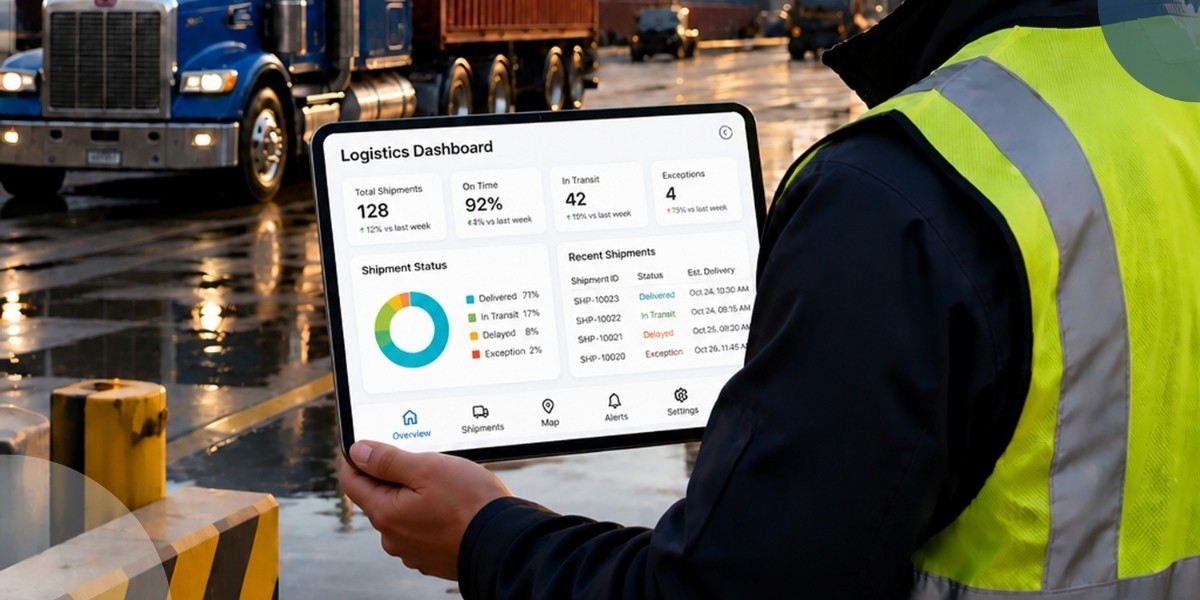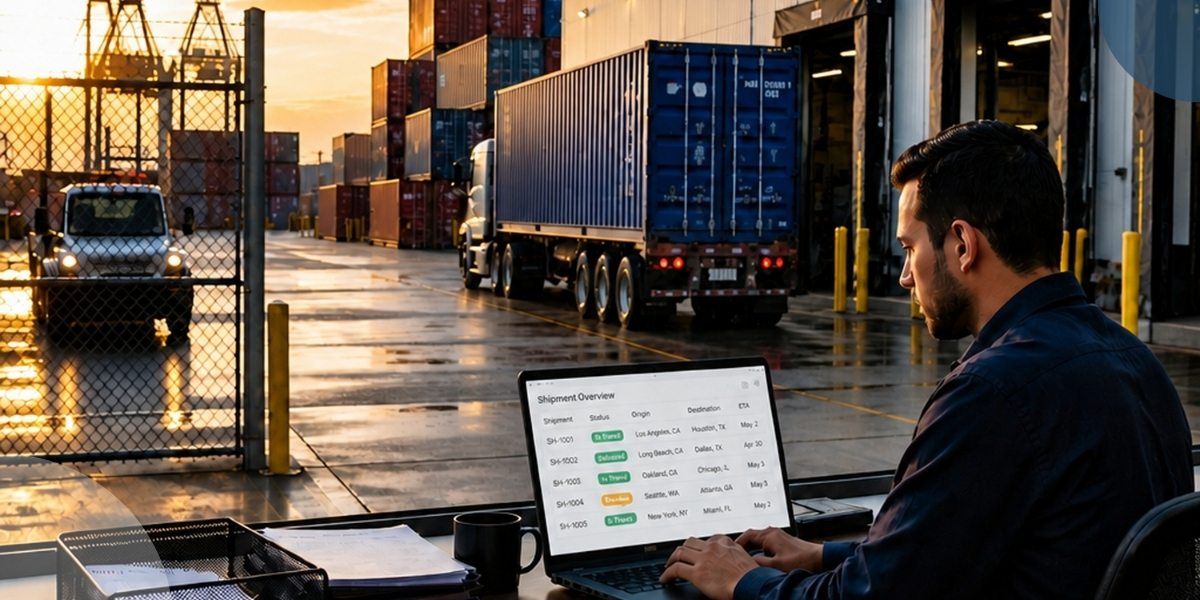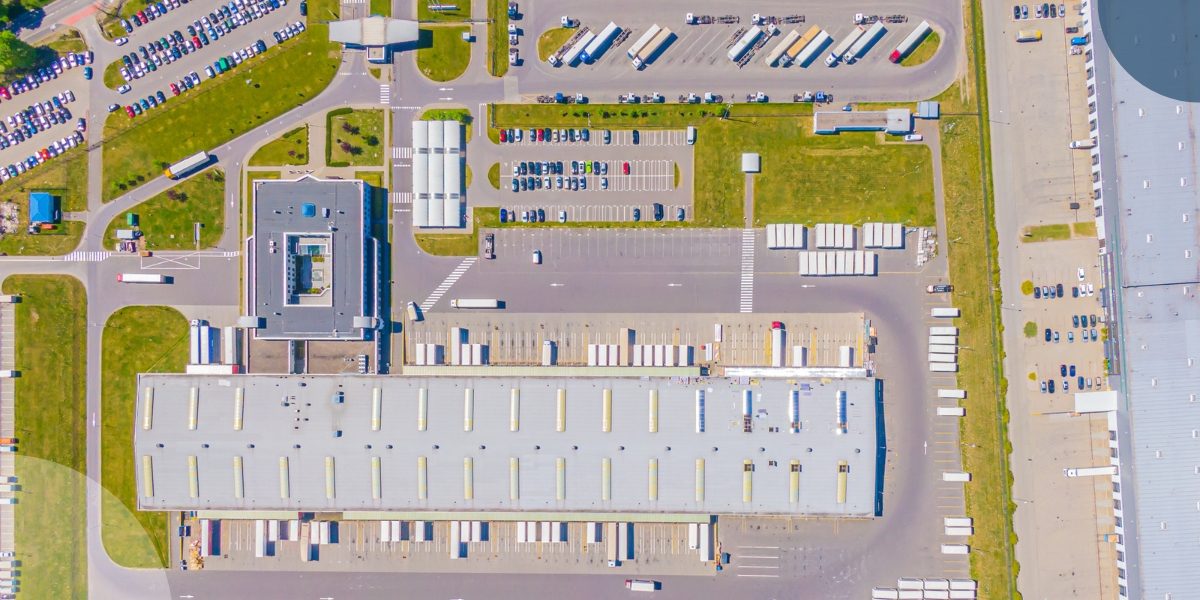

Your yard driver just burned two hours hunting a trailer that should have taken ten minutes to spot. Meanwhile, your spotter is working his third overtime shift this week because half his day gets eaten by radio calls asking "Where's container XYZ?" You're running the whole operation on gut feel and clipboard counts that go stale the moment someone walks back inside.
This chaos costs you control. Yard management automation replaces this reactive scramble with a prioritized task system. Drivers see exactly which trailer to move next. You see real-time asset locations across every dock and zone.
The practical path forward starts here.
What is Yard Management Automation?
Yard management automation replaces manual processes — spreadsheets, radio calls, and clipboard walks — with real-time systems that direct every move, track every asset, and enforce every check.
The discipline transforms yards from reactive operations into controlled environments. Drivers receive prioritized tasks, managers see live inventory counts, and regulatory compliance is digitally enforced at every step.
Leading facilities use yard management systems to cut turnaround times and reduce dwell. These platforms capture every transaction, guide every decision, and show exactly where the yard can perform better.
Why the Yard Has Become a Financial Blind Spot
- Manual tracking leaves you exposed to disputes: Yard counts go stale the moment the walk ends. When a detention fee hits three weeks later, you have no record of who left that container sitting idle — or for how long.
- D&D fees, trailer bloat, and overtime compound silently: Untracked trailers drift past dwell thresholds, fees accumulate, and labor fills every gap that real-time visibility would close — overtime spotters, extended shifts, and yard dog rentals covering for decisions that never get made. Legacy YMS modules and bundled "free" tools make this worse: they track basic slot occupancy but can't flag trailers past threshold, so the cost surfaces as unplanned lease extensions that erode margins quarter after quarter.
- Compliance pressure leaves no room for guesswork: WAIRE/Rule 2305 auditors need accurate, verifiable tracking for weighted truck classes. FSMA inspectors expect a continuous, timestamped chain of custody for temperature-sensitive cargo. Clipboard logs with estimated dwell times won't hold up — every gate event and validation task must be digitally captured within your workflow to shrink your audit exposure.
What Are the Core Yard Management Automation Capabilities You Should Look For?
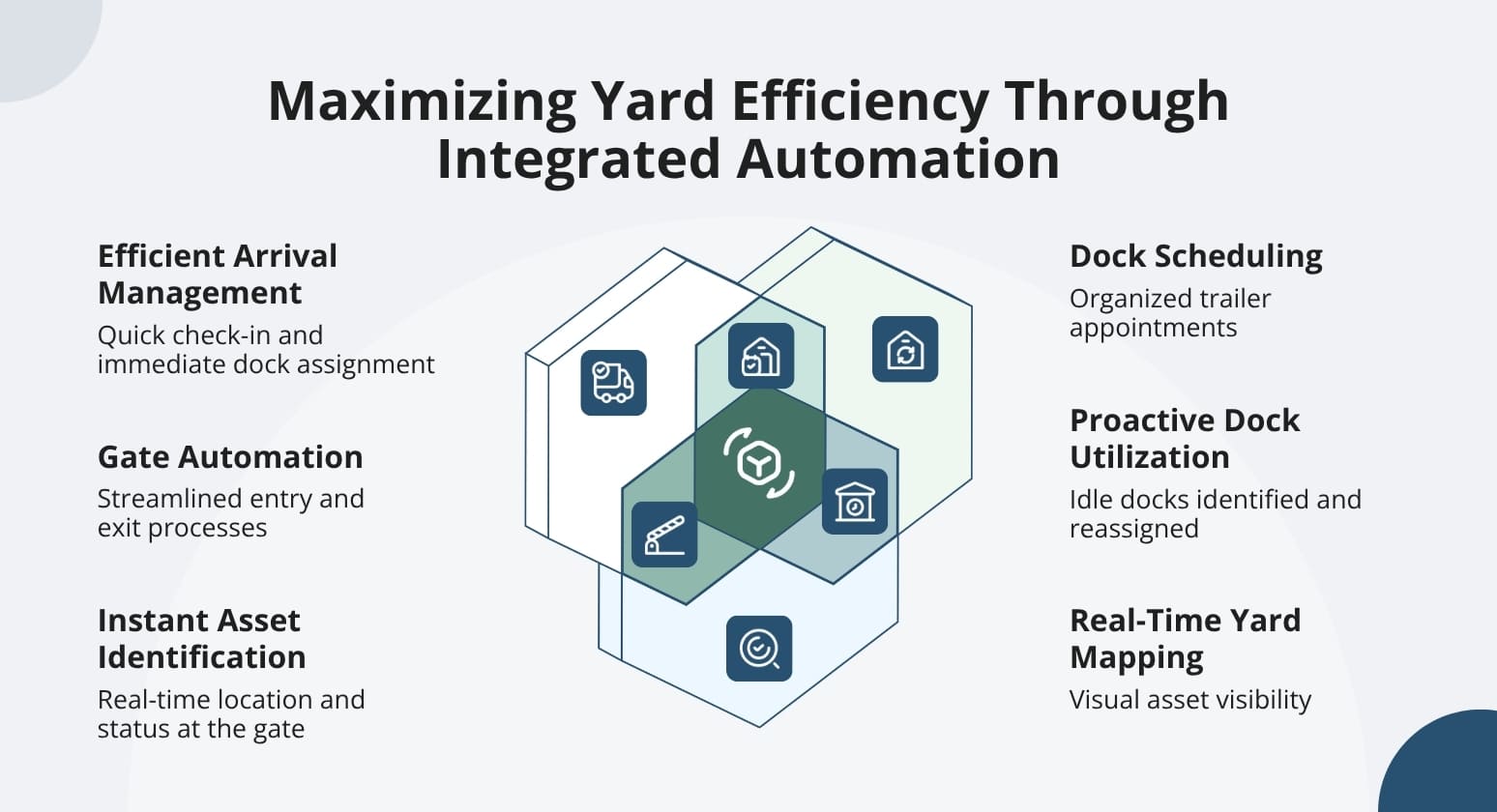
- Gate automation and driver self-service: AI cameras with OCR, QR codes, kiosks, ELD integrations, and GPS geofencing eliminate manual check-in bottlenecks. Gate access control routes trusted carriers through express lanes while SMS handles arrival confirmation, door-ready alerts, and departure instructions — no app downloads, account creation, or cab exits required.
- Dock scheduling and detention prevention: Carriers book through self-service portals, auto-populated by connected ASN, TMS, and WMS systems. Detention alerts flag approaching fee windows before charges accrue.
- Real-time yard mapping: A visual console displays a digital twin of data — replacing radio calls, stale spreadsheets, and manual yard walks.
- In-cab tasking and next-best-move logic: Drivers see move requests in a simple Accept → Start → Finish sequence with automated recommendations based on proximity, urgency, and request age — no radio bottlenecks, no loss of flexibility.
- Compliance, safety, and audit records: Safety checks built into every move task create timestamped records tied to specific assets and moves. Digital lot checks let drivers update position data from the cab, turning inventory accuracy into a continuous operation rather than a scheduled event.
- Blind seal verification and chain of custody: Seal numbers stay hidden until physical verification is complete, preventing mis-releases and creating a connected chain-of-custody record for every check.
How Yard Management Automation Benefits Your Bottom Line
- Detention & Demurrage — Real-time dwell tracking and automated timestamps significantly cut detention and demurrage charges.
- Asset Utilization — Digital trailer tracking eliminates phantom capacity. In some cases, it could reduce leased trailer pools by up to 25%.
- Labor Costs — Automated task dispatch cuts overhead hours and can complete spot moves up to 2x faster.
- Gate Velocity — QR code check-ins and SMS door assignments eliminate radio bottlenecks and move drivers through without added staff.
- OTR Driver Experience — In-cab directions and proactive load-ready notifications reduce yard confusion, improving safety and strengthening carrier relationships.
- Labor Performance — Transparent move-per-hour metrics replace guesswork, giving every driver and manager the same objective standard.
- Compliance — Data supporting WAIRE, FSMA, and cold chain rules are captured at the gate and tracked through a timestamped log of all yard activity, keeping you audit-ready.
YardView Puts Every Move in the Right Order
YardView transforms the radio-and-spreadsheet chaos into a prioritized, real-time system where every move happens in the right order.
- In-cab move tasking: YardView's in-cab move request system delivers a prioritized, Accept → Start → Finish workflow with automated "next best move" recommendations — eliminating radio calls and dispatcher guesswork
- Real-time yard visibility: The drag-and-drop console displays up to 20 data points per asset across every dock, spot, lane, and zone in one live view
- Faster yard audits: The lot check and yard audit module lets drivers verify, update, and correct asset positions from the in-cab device, delivering up to 75% faster yard audits than manual lot walks
- Driver accountability metrics: YardView captures driver clock-in/out, idle time, moves completed, and hourly move averages — giving operations leaders data to manage productivity without adding headcount
- Rapid adoption: End-user training is completed in one hour or less, with color-coded interfaces and 1–2 click task completion built for yard staff at every skill level
If your yard runs on radio calls and lot walks, YardView’s yard management automation offers a proven path to directed operations.
FAQs:
Do I Need Expensive Sensors or Proprietary Hardware to Get Started?
No additional proprietary hardware is required. YardView works on existing PCs, tablets, phones, and in-cab devices. You can leverage the GPS already installed in your yard trucks. Most savings come from the software directing your drivers and tracking dwell times, not from sensors.
Our WMS Has a Yard Module — Why Buy a Dedicated System?
They lack in-cab driver tasking and next-best-move logic. They also lack post-arrival dwell monitoring and detention management.
Can YardView Connect to Our Existing WMS and TMS?
YardView connects to any system via REST APIs, SOAP APIs, flat files, or EDI. Named partners include SAP, Oracle, Manhattan Associates, and Blue Yonder.
With standardized APIs, most integrations can be completed in 15-30 hours. More complex integration with custom features may take 50-60 hours.