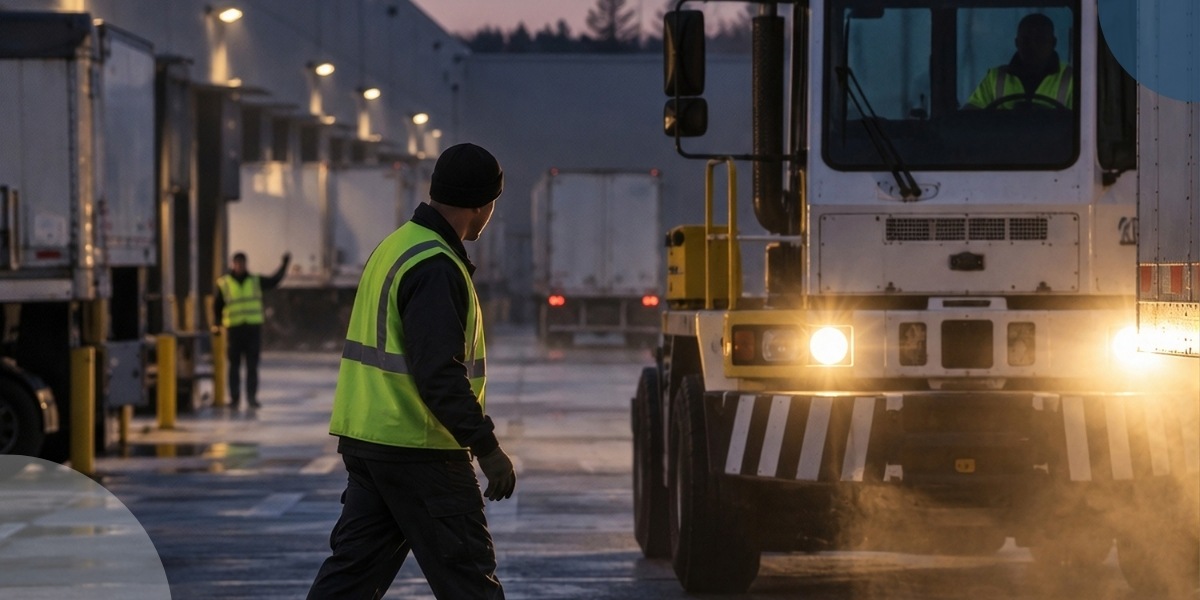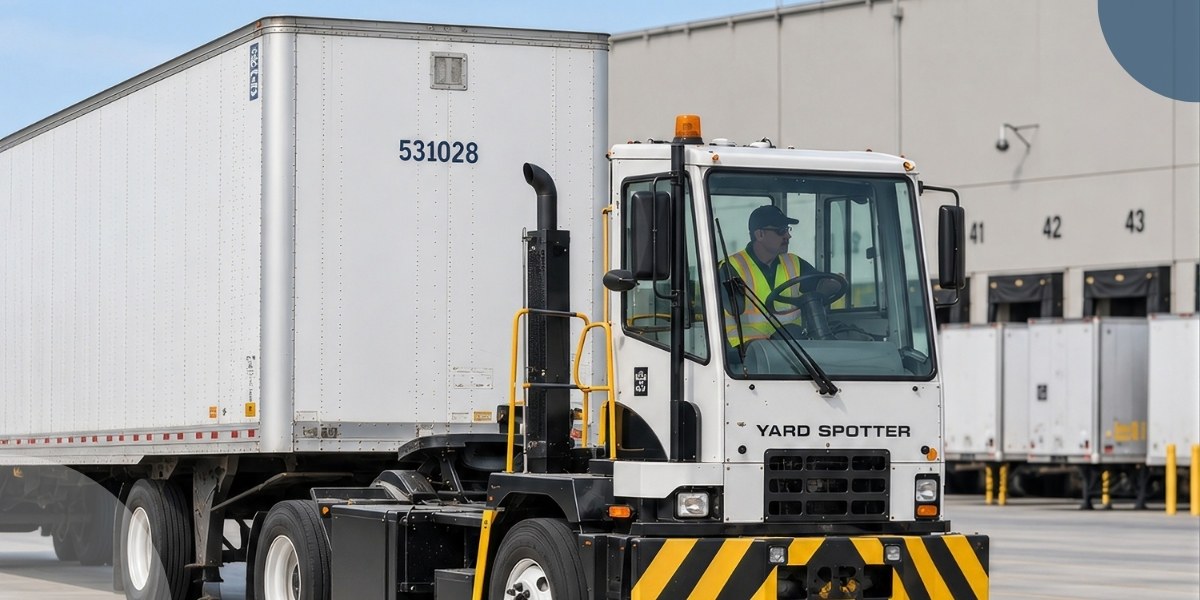
A container yard runs on a clock someone else controls. The moment a box comes off the vessel, demurrage starts at the terminal. The moment it rolls out on a chassis, per diem starts against the equipment. And every hour a driver waits at your dock, detention runs against your facility.
A yard management system (YMS) puts that clock where your team can watch it. It tracks each container, chassis, and trailer from the gate through every move, so the record of what happened is there when you need it, whether that is to route the next driver or to challenge a fee.
This guide covers what container yard management is, how a YMS reduces the charges that pile up in container operations, which capabilities matter most and how to evaluate a system before you commit.
What Is Container Yard Management?
Container yard management is the work of tracking and moving containers, chassis, and trailers across a facility: checking them in at the gate, knowing where each one is, assigning drivers to move them, and recording every step.
In a container operation, that work carries extra weight. The assets you are holding often belong to a steamship line or a leasing company, and they charge you for every day past free time.
Run on clipboards and radios, it slips fast. A box gets set down in the wrong row, the count goes stale by mid-shift, and no one can say for certain when a container arrived or left. Run on a yard management system, the same work leaves a digital trail your team can read at a glance and pull months later.
How Container Yards Differ From Standard Trailer Yards
A trailer yard mostly holds one kind of asset on your own schedule. A container yard holds containers, chassis, and reefers, often parked across a large lot, each tied to a different owner's free-time clock. Scale changes the problem, too.
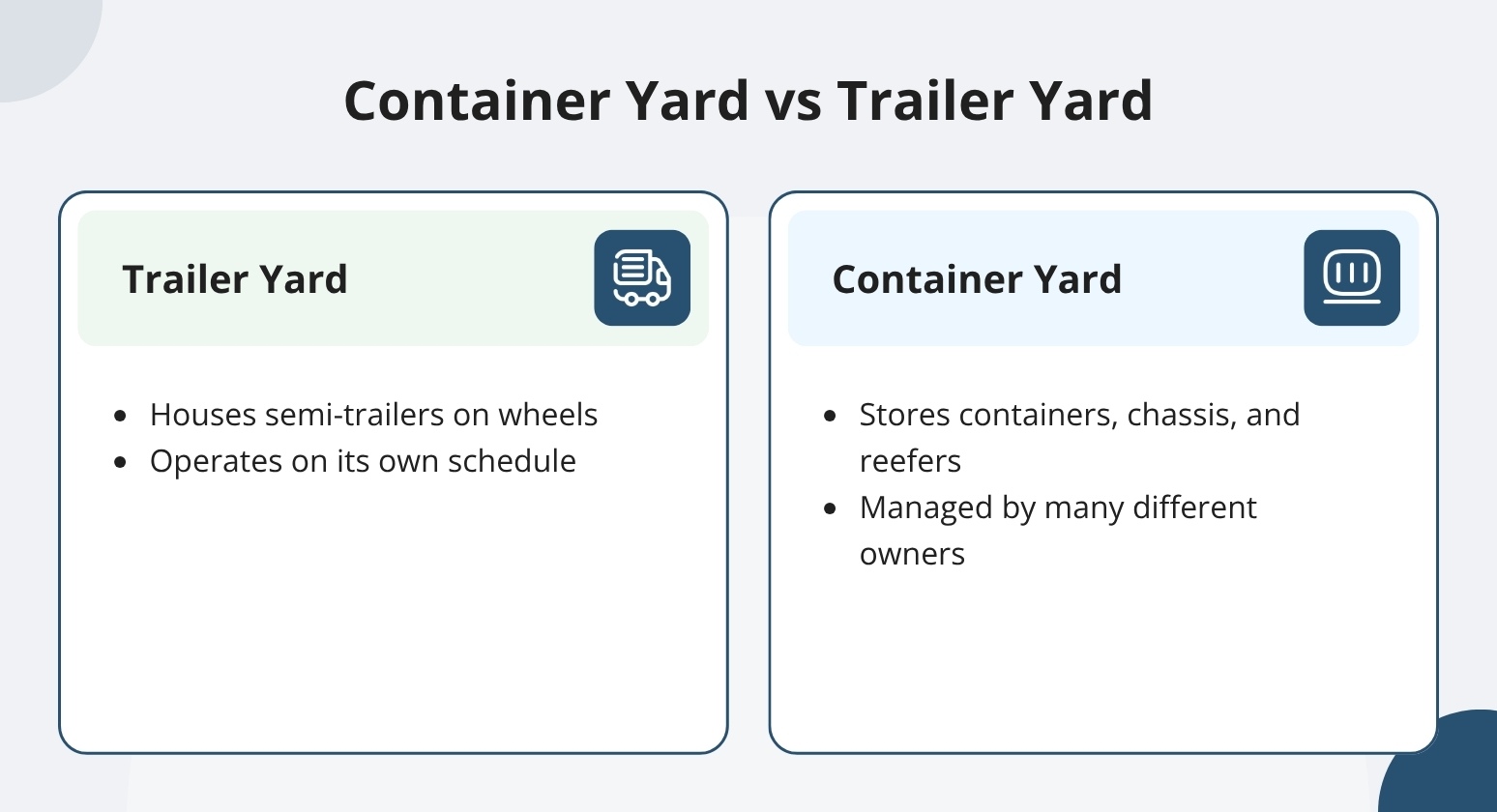
A container yard stores intermodal shipping containers (typically without wheels), while a trailer yard stores over-the-road semi-trailers (containers permanently mounted on wheels).
YMS vs. WMS vs. TMS in a Container Operation
The three systems cover different ground. A WMS manages inventory inside the building. A TMS manages freight movement between locations, including carrier selection and rates. A YMS manages the yard between them: the gate, container and chassis moves and the dwell clock for each asset.
A yard module bundled with a WMS or TMS can log a container at the gate and the dock, then go quiet in between. For a low-volume yard that may be enough. For a busy container operation, the gap in the middle is where dwell hides, and fees accrue. A dedicated yard system closes that gap.
How a YMS Reduces Container Detention, Demurrage, and Per Diem
These three charges are the biggest line items a container yard can control. Demurrage runs while a container sits inside the terminal past free time. Per diem runs on the container or chassis once it leaves. Detention runs while a driver waits at your dock.
Industry figures put detention and demurrage in real money, with demurrage often reaching a few hundred dollars per container per day. Hence, a handful of unaccounted-for days adds up quickly.
Real-Time Container Visibility
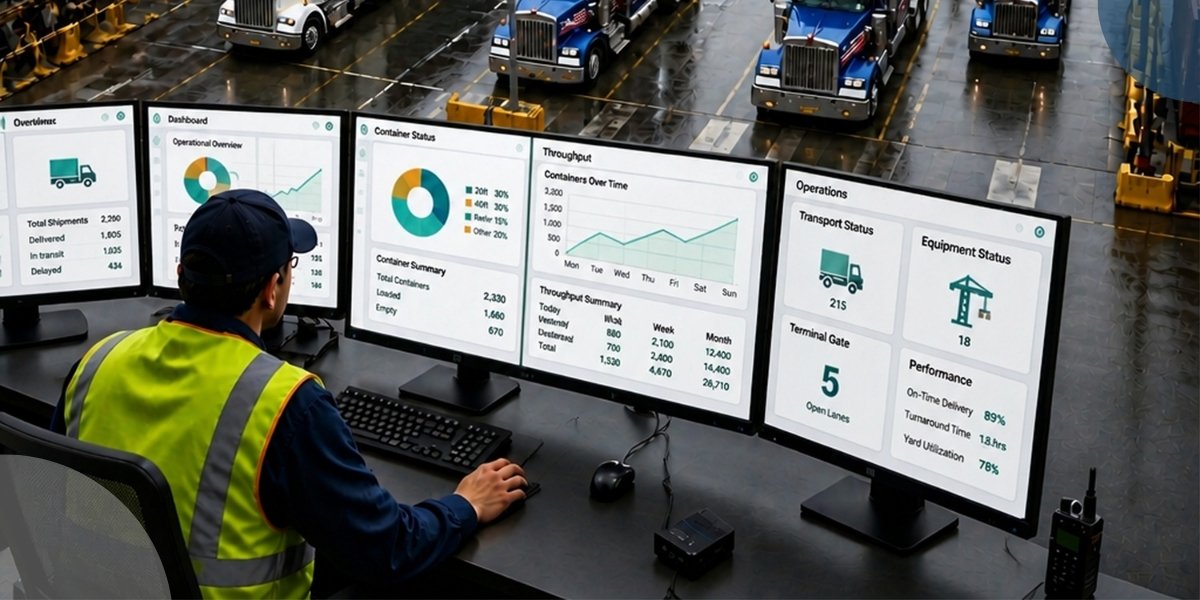
When you know where each container sits and how long it has been there, dwell stops being a surprise. Threshold alerts flag an asset that is approaching its free-time limit, so your team can prioritize the move while there is still time to avoid the charge, rather than reading about it on next month's invoice.
It also shortens the hunt. A graphical yard map shows each container, chassis, and reefer by status, so a driver is routed straight to the right slot instead of walking rows, and an asset keeps moving before its clock runs down.
Shorter Gate and Driver Wait Times
Detention often starts in the gate line. Automated check-in through QR codes on the driver's own device, or AI cameras that read a container and plate at the lane, clears trucks without a clipboard and routes each driver straight to the right spot. Faster gate processing means fewer idle hours ticking against your facility.
Appointment scheduling does the same on the inbound side. When carriers book their own slots, arrivals spread across the day rather than stacking into a single gate hour, so the gate no longer becomes the bottleneck that starts the detention clock.
A Timestamped Record for Every Move
Every gate check-in, spot move, and dock event is recorded with a time and an operator attached. When a carrier bills you for demurrage or detention, you compare the charge against your own arrival and departure timestamps and dispute any that do not match, using evidence rather than memory.
That record does double duty. The same history that settles a fee dispute also feeds your reporting, so the dwell patterns pushing your charges up show up as a trend you can act on rather than a monthly surprise.
How to Evaluate a Container Yard Management System
Once you know what you need, the shortlist gets shorter fast. A few questions separate a system built for a container yard from one that only looks the part:
- Does it track every asset without requiring you to buy proprietary hardware, using the GPS already in your yard trucks where it helps?
- Does it have a real detention and demurrage capability, with dwell tracking and alerts, not just a report after the fact?
- Does it store a full transaction history, not just a snapshot of the current state?
- How fast does it deploy, and how long does training take for gate and yard staff who turn over often?
On that last point, a system that goes live in six weeks or less and takes about an hour to learn will scale across a busy operation far better than one that needs a specialist at every turn. Automation that fits your existing process beats a rip-and-replace that stalls the yard.
YardView was built around that shortlist, and it puts the pieces in place without a hardware project or a drawn-out rollout.
How to Roll Out Container Yard Management Without Downtime
Putting a system in place should not mean stopping the yard to do it. A phased rollout mirrors what you run today, then layers on connections and optional tracking as you go, so the container yard keeps moving throughout.
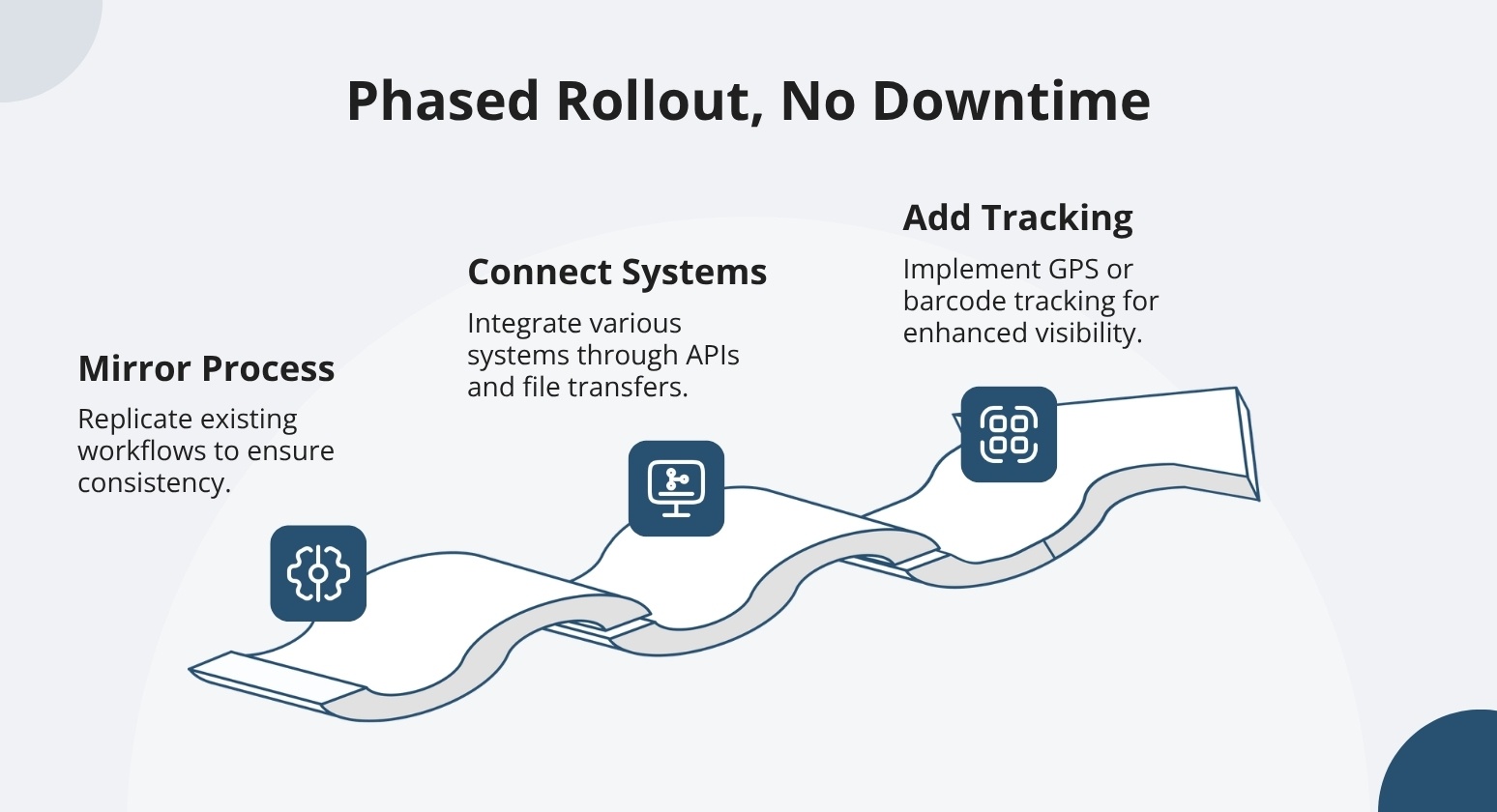
Phase 1: Mirror Your Current Yard Process
The first phase maps your existing gate, container moves, and dock steps into the platform as they run today, so gate staff and drivers do not relearn their jobs on day one. Most sites are live in six weeks or less, with about an hour of end-user training.
Phase 2: Connect Your WMS, TMS, and Terminal Feeds
Next, the yard connects to surrounding systems via APIs, EDI, and file transfers, so an arriving container's data flows in once rather than being keyed twice. A manual upload path covers any legacy system that cannot hold a direct connection.
Phase 3: Add Optional Tracking Where It Earns Its Cost
The last phase weighs cost-effective inputs like GPS or barcode, using the devices already in your yard trucks where they help. You don't need proprietary hardware to get core visibility running.
Bring Real-Time Visibility to Your Container Yard With YardView
When containers, chassis, and reefers each live on their own clock, the difference between a clean invoice and a surprise fee is whether you can see dwell before it costs you. YardView replaces clipboards and stale counts with a single cloud-based platform that tracks every container, gate, and move in real time:
- Real-Time Yard Map: A graphical, drag-and-drop view shows every container, chassis, and reefer with up to 20 data points per asset, color-coded by status and dwell.
- Automated Gate Operations: Touchless, manned, or unmanned gates with QR check-in and AI OCR cameras capture container and plate reads without slowing the lane.
- Detention and Demurrage Tracking: Real-time dwell monitoring and threshold alerts flag an asset before its free-time clock trips.
- Reefer and Chassis Monitoring: Temperature and equipment tracking keeps refrigerated containers in range and chassis accounted for.
- Timestamped Chain of Custody: Every gate, yard, and dock event is recorded with the time and operator, ready for dispute resolution and audits.
Explore how YardView gives your container yard a single live view, so your team catches dwell early and keeps freight moving.
FAQs:
What Is a Container Yard Management System?
It is software that tracks and coordinates containers, chassis, and trailers across a facility, from gate check-in through every yard move to departure. In a container operation, the main job is to maintain a live, timestamped picture of where each asset sits and how long it has been there, so dwell, demurrage, and per diem remain visible rather than showing up on an invoice.
How Does a YMS Reduce Demurrage and Per Diem?
It cannot change a steamship line's free-time terms, but it makes the clock visible. Dwell tracking and threshold alerts flag containers approaching their limits so your team can prioritize moves, and a timestamped record of every arrival and departure provides evidence to dispute a charge that doesn't match what happened on the ground.
Do I Need RFID or Sensors to Track Containers?
Not necessarily. Most of the savings come from software that directs drivers and records their moves, and many yards gain the visibility they need through QR check-in and gate reads. RFID, GPS, and barcodes are optional inputs you can add later, and they will pay for themselves. A good overview of the tradeoffs among these technologies helps you decide what a container yard needs.