
Key takeaways:
- A detention or per diem charge is a claim about time, so the side with the timestamped record of arrival, dock, and departure holds the evidence, and the side arguing from memory usually pays.
- Under the Federal Maritime Commission's billing rule, an ocean demurrage or detention invoice has to show how the charge was calculated and how to dispute it, and you get a set window to challenge it, which only helps if your own records line up against it.
- The same transaction history that settles a carrier charge also lets a 3PL bill clients for the work actually done, backed by a move-by-move record rather than a spreadsheet filled in after the fact.
- Snapshot-only systems cannot reconstruct a clock that has already run, so the record has to capture every gate, dock, and yard event as it happens.
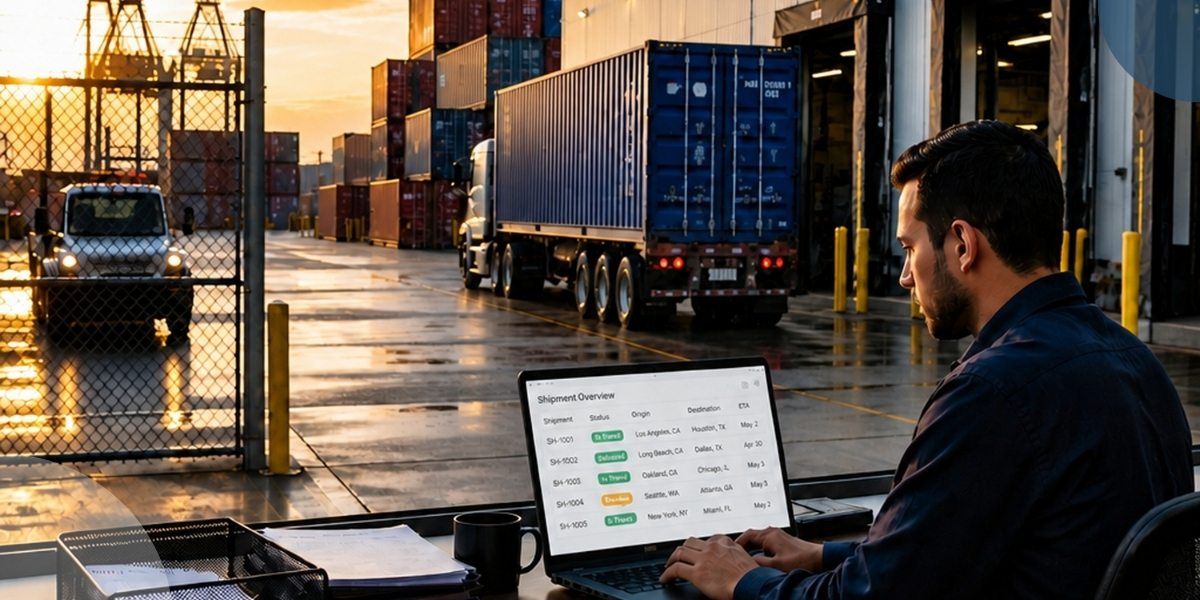
If a detention invoice lands, the clock it bills for ran days ago. On your side, someone in finance now has to decide whether the charge is fair, usually with nothing to check it against but a spreadsheet and a spotter's memory. Faced with that, most facilities pay. The charge may be wrong, but arguing costs more than the fee.
That math flips when the yard keeps a timestamped record of every arrival, dock, and departure. A detention charge is a claim about how long something sat, and a time claim is only as strong as the record behind it.
This guide covers how to capture that record, use it to dispute detention and demurrage charges, track per diem before it stacks up, and bill from evidence a carrier or customer cannot wave away.
1. Capture the Timestamps That Make a Charge Disputable
Every dispute comes back to three moments: when the equipment arrived, when it reached the dock, and when it left. If the yard does not capture those automatically, the record is already too thin to argue from.
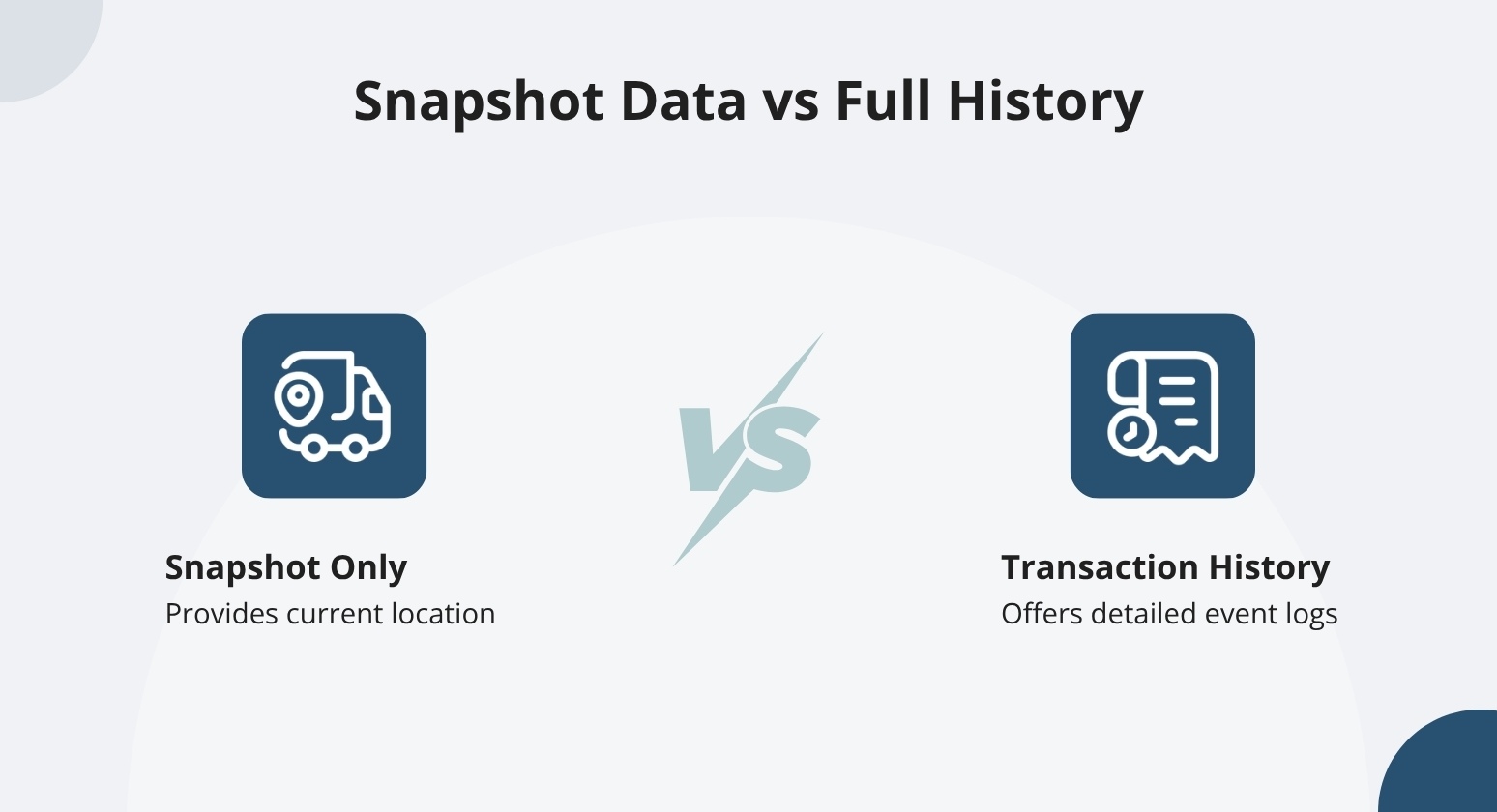
A snapshot system tells you where a trailer sits right now. It cannot tell you when it got there, who moved it, or how long it waited, and those are exactly the numbers a charge turns on. A full transaction history is different: it stores every gate, dock, and yard event with a timestamp and the operator attached, so months later you can still show what happened and when.
Build the record around the fields a dispute needs:
- Arrival, dock arrival, and departure timestamps, captured automatically so the clock does not depend on anyone writing it down.
- Trailer or container ID and carrier code, so the record ties to the specific asset and the party on the invoice.
- Free time and threshold, set per carrier or contract, so the system knows when a clock actually starts charging.
- The operator and the move, so a disputed event traces to who did what.
Captured this way, the evidence is a byproduct of the moves your team already makes rather than a separate logging chore. Tying it to dwell and other yard metrics keeps the same record useful for spotting the patterns that drive charges in the first place.
2. Validate and Dispute Detention and Demurrage Invoices
With a clean record, an incoming invoice stops being a take-it-or-leave-it number. You check it line by line against what your yard logged.
For ocean containers, the rules favor you. The Federal Maritime Commission's billing rule requires a demurrage or detention invoice to show the identifying details, the free time allowed, and how the charge was calculated, plus clear information on how and by when you can dispute it.
An invoice that omits required information can eliminate your obligation to pay. Billed parties also get at least 30 days to request a refund, waiver, or mitigation. That window is only useful if you can produce timestamps that contradict the charge, which is what the yard record gives you.
Truck detention works through your carrier contracts rather than the FMC, but the logic is identical. Detention is expensive enough to check: ATRI puts excessive detention at roughly $64 an hour on average, with rates commonly landing anywhere from about $25 to $100.
When a carrier bills for hours your gate and dock timestamps don't support, you have a documented basis to push back instead of paying to avoid the argument. Getting dwell down in the first place, through steps like tighter appointment management, shrinks the number of charges you ever have to contest.
3. Track Per Diem Days and Dollars Before They Stack Up
Per diem is the daily charge for holding a carrier's container or chassis past its free time, and it is easy to lose track of because the clock runs quietly in the background while the equipment sits in your yard or on the street.
The fix is to watch the clock the same way you watch dwell. Tie each piece of equipment to its free days and let the system surface what is approaching a charge, so a chassis one day from per diem shows up on a list before the fee lands rather than on an invoice after it.
Reporting that breaks per diem out by days and dollars, and by the carrier or steamship line that owns the equipment, turns a vague monthly total into specific items you can act on or challenge.
Read against the same reporting the rest of the yard runs on, per diem stops being a surprise and becomes one more clock your team manages on purpose.
4. Bill From the Record and Win Customer Disputes
The record does more than defend against charges. It also substantiates the charges and bills you send out.
For a third-party operator, every timestamped move is a line you can stand behind when billing a client for yard work, because the activity is documented, not estimated.
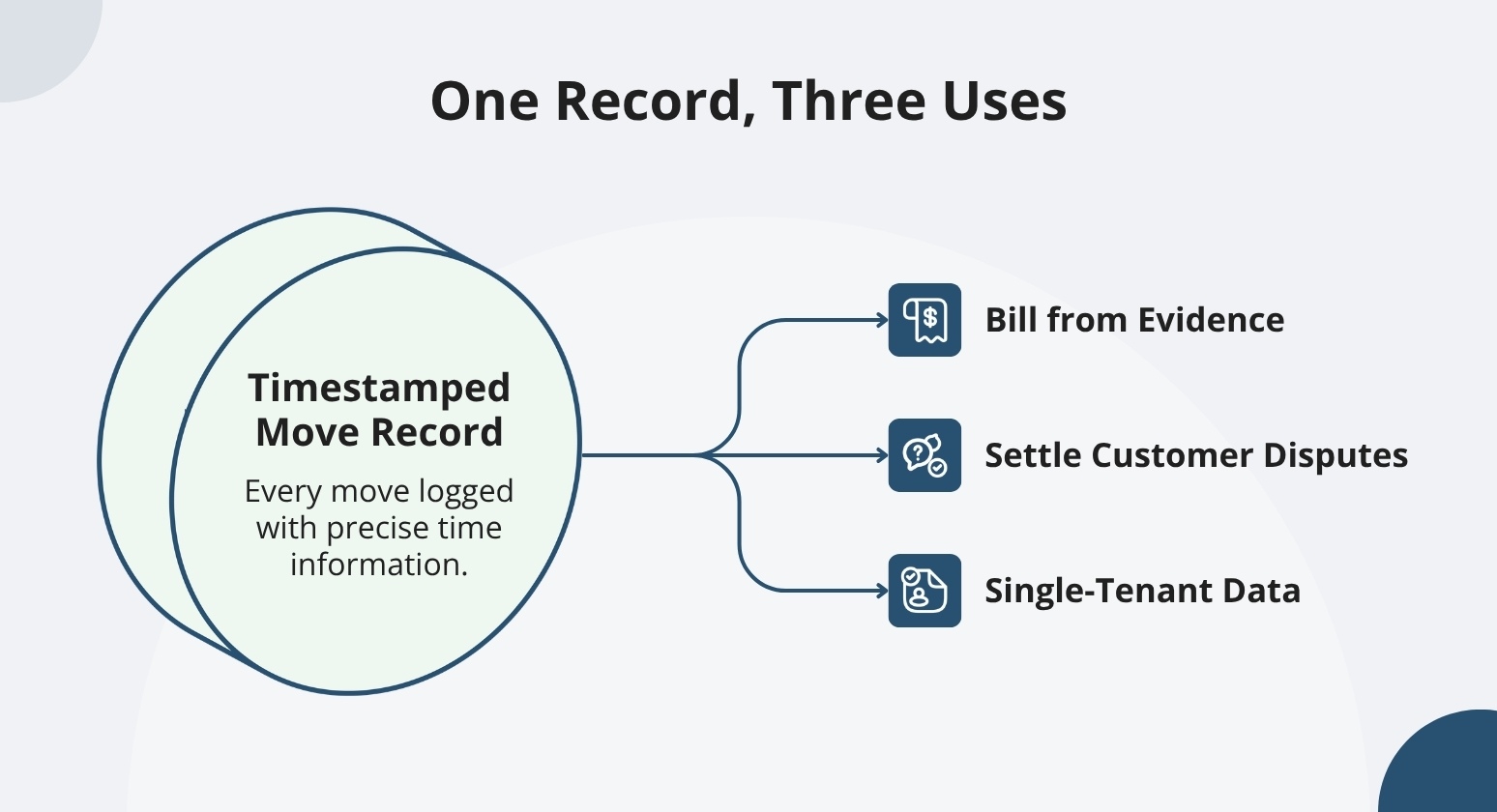
Single-tenant data keeps each client's records isolated, so what you bill one customer is backed by that customer's own yard history, and nothing bleeds across accounts. This is part of what a 3PL should look for in a yard system: the ability to prove the work, not just describe it.
The same history settles the disputes that used to come down to whose word carried more weight. When a customer questions why a trailer sat, or two teams argue over who left it in the wrong spot, one timestamped record of every move ends the back-and-forth.
Watch: Stop Paying for Detention & Demurrage #logistics #yms #logisticsolutions. This clip highlights how real-time yard visibility eliminates detention and demurrage charges.
In container-heavy operations, especially where demurrage, detention, and per diem all run at once, a single source of truth keeps a dispute from turning into a standoff. Facilities that manage these clocks on a documented record commonly report cutting detention and demurrage fees by a wide margin compared with what they paid before.
Turn Yard Data Into Disputes You Win With YardView
A detention or per diem charge is only as contestable as the record behind it. YardView captures that record automatically and turns it into evidence your finance team can pull on demand, so charges get validated, disputed, and billed from documented fact rather than memory:
- Automated Event Timestamps: Capture arrival, dock arrival, and departure on every visit, so each dwell and detention figure traces to a logged time rather than an estimate.
- Detention and Demurrage Tracking: Monitor real-time dwell with threshold alerts that fire before fees accrue, plus per diem days and dollars broken out by carrier and steamship line.
- Audit Trails for Disputes: Store every gate, yard, and dock event with what happened, when, and who did it, giving finance the documented basis to challenge a charge.
- Billing Reconciliation: Match tracked dwell and event data against carrier invoices, so you validate what you are billed and substantiate what you bill.
- Single-Tenant Data: Keep each client's records in a dedicated database, so 3PL billing and disputes stay scoped to the right account.
See how YardView turns your yard's timestamps into a defensible record, so the next detention charge is one you can check, dispute, or bill with evidence.
Frequently Asked Questions
What Data Do I Need to Dispute a Detention Charge?
Start with the three timestamps a charge turns on: when the equipment arrived, when it reached the dock, and when it left, each captured automatically and tied to the specific trailer or container and its carrier. Add the free time set for that carrier or contract, and you can show whether the clock the invoice bills for actually ran. Without those, you are disputing from memory, which is why most unsupported charges get paid.
Does the FMC Billing Rule Cover Truck Detention Too?
No. The Federal Maritime Commission's demurrage and detention billing rule applies to ocean shipping, so it governs the invoices you receive from ocean carriers and marine terminals for containers. Truck detention, where a driver and trailer wait at your dock, is handled through your carrier contracts, not the FMC. The evidence you need is the same in both cases: a timestamped record of when equipment arrived, was worked, and left.
How Does a YMS Help With Per Diem Specifically?
A yard management system ties each container or chassis to its free days, tracks time in real time, and flags equipment approaching a per diem charge before the fee lands. Reporting that breaks per diem out by days, dollars, and the carrier that owns the equipment turns a lump-sum invoice into specific items you can act on, validate, or dispute rather than pay on faith.
Can Timestamped Records Help a 3PL Bill Its Clients?
Yes. Every move stored with a timestamp is a documented line a 3PL can bill against, so charges reflect the work actually done rather than an estimate. Single-tenant data keeps each client's yard history isolated, which means a bill to one customer is backed by that customer's own records. The same history also settles disputes, since one record of every move replaces the finger-pointing over who did what and when.